Her Light Continues to Shine.
Blood clots are a normal part of healing. They form when blood thickens and clumps together to stop bleeding, which is a normal and lifesaving process. However, when clots form inside blood vessels and do not dissolve, they can block blood flow and become dangerous. These clots can travel to vital organs, leading to serious conditions such as deep vein thrombosis ebolism and pulmonary embolism. Grace’s story reminds us that blood clots can affect anyone, often without warning.
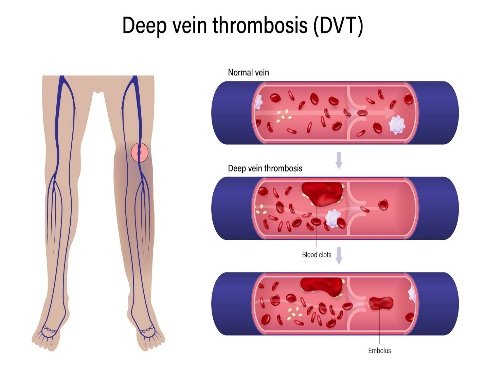
Deep vein thrombosis (DVT) occurs when a blood clot forms in a deep vein, most often in the legs. It can cause swelling, pain, warmth, or tenderness, though some people experience little to no warning signs. DVT is dangerous because a clot can break free and travel through the bloodstream. Grace’s story reminds us that blood clots can affect anyone and that awareness of risk factors and early symptoms is essential to preventing tragedy.
•Swelling in one leg (or arm)
•Pain or tenderness often described as cramping or soreness
•Skin that’s warm to the touch
•Red, bluish, or discolored skin
These symptoms may feel like a muscle strain or “charley horse,” but they do not go away with rest and may worsen. If you notice any of these signs, contact your healthcare provider right away.
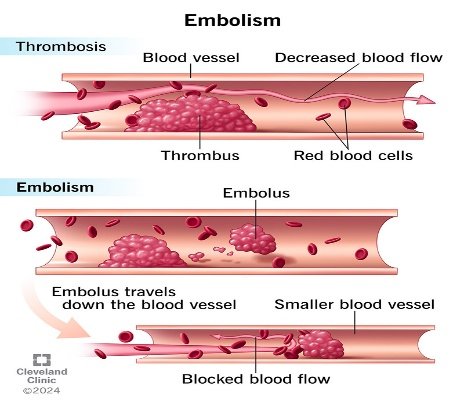
An embolism occurs when a blood clot or other material travels through the bloodstream and becomes lodged in a blood vessel, blocking blood flow to vital organs. These events can happen suddenly and without warning, making them especially dangerous. Grace’s passing underscores how quickly a clot can turn life-threatening, and why understanding embolisms and acting fast can save lives.
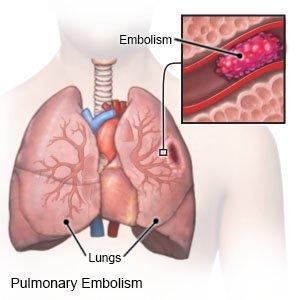
A pulmonary embolism (PE) is a life-threatening condition that occurs when a blood clot—often originating from a deep vein thrombosis—travels to the lungs and blocks a pulmonary artery. Symptoms may include sudden shortness of breath, chest pain, rapid heartbeat, dizziness, or collapse. Grace’s legacy is a powerful reminder that pulmonary embolisms can strike unexpectedly, and that early recognition and immediate medical care can make the difference between life and loss.
Seek immediate medical attention (call 911) if you experience:
These symptoms can come on quickly and may be mistaken for other conditions, so do not ignore them — every moment matters.