
Her Light Continues to Shine.
Blood clot treatment focuses on two critical goals: stopping an existing clot from growing and preventing new clots from forming. In some cases, treatment also works to dissolve or remove a clot, depending on its size, location, and severity.
Early diagnosis and prompt treatment are essential. When treated quickly, most people recover and significantly reduce their risk of complications such as pulmonary embolism (PE), stroke, or long-term vein damage.
Blood clots can become life-threatening when they block blood flow to vital organs or travel through the bloodstream.
Without treatment, a clot may:
Because of these risks, suspected blood clots are treated as medical emergencies.
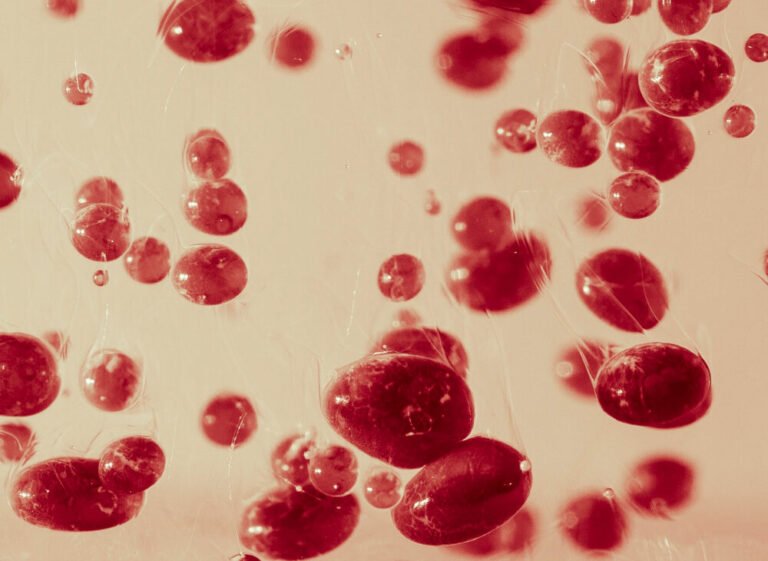

In more severe cases, doctors may use thrombolytic therapy, also known as “clot busters.”
These medications:
01.
02.
03.
Thrombolytics are most often used for:

A minimally invasive procedure where a thin tube is guided to the clot to:
→ Deliver clot-dissolving medication directly
→ Break up or remove the clot mechanically
A surgical or catheter-based procedure used to physically remove a clot from a blood vessel.
In some cases, a filter may be placed in the large vein in the abdomen to:
→ Prevent clots from traveling to the lungs
→ Serve as a temporary protection method when blood thinners cannot be used
After the initial clot is treated, ongoing care is often required to prevent recurrence.
Depending on individual risk factors, blood thinners may be prescribed for:
Recommended lifestyle strategies:

Seek emergency care immediately if you experience:
i.
ii.
iii.
iv.
i.
ii.
iii.
With modern medical care, blood clot treatment is highly effective. Most patients recover successfully, especially when treatment begins early.
Advances in medication and minimally invasive procedures have significantly improved survival rates and long-term outcomes.