Know Your Risk. Protect Your Life.

Knowing Your Risk Can Save Your Life

Risks and Prevention of Blood Clots

Blood clots are often silent, sudden, and preventable—yet they can become life-threatening in an instant. Too often, individuals have no idea they are at risk until it’s too late. What makes this especially dangerous is how quickly a clot can form, travel, and turn into a medical emergency without warning.

Know your risk. Recognize the signs. Take action early

At Grace’s Legacy Foundation, we are committed to turning awareness into action. We believe that educating young people and families about risk factors, symptoms, and early detection can prevent tragedies and empower individuals to advocate for their health. Awareness is not just information—it is the key to saving lives.
What Is a Dangerous Blood Clot?

Blood clots are a natural part of healing. But when they form inside the body without injury, they can block blood flow and cause serious harm.

The most common types include:

Deep Vein Thrombosis (DVT)

A clot in a deep vein, often in the leg

Pulmonary Embolism (PE)

A clot that travels to the lungs and becomes life-threatening

A clot that travels can quickly turn into a medical emergency.

Everyone Has Some Risk

Blood clots do not discriminate. They can affect people of all ages, including healthy and active individuals.

Your risk increases when certain factors are present—especially when multiple risks overlap.

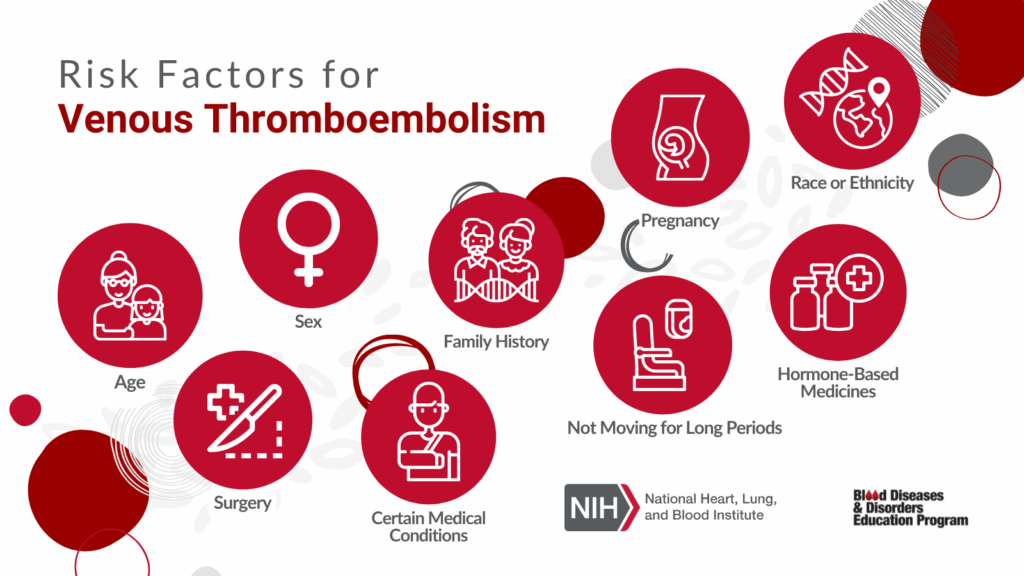
Common Blood Clot Risk Factors

Understanding your personal risk starts with recognizing the most common contributors:

Medical Risk Factors

  • Recent surgery or hospitalization
  • Cancer or cancer treatment
  • Heart disease or chronic illness
  • Previous blood clot
  • Nearly half of blood clots occur during or after hospitalization or surgery

Genetic (Inherited) Risk Factors

  • Family history of blood clots
  • Factor V Leiden or other clotting disorders
  • Genetic risk often goes undiagnosed—especially in young individuals with no prior symptoms.

Lifestyle Risk Factors

  • Prolonged sitting (work, gaming, travel)
  • Smoking or vaping
  • Obesity
  • Dehydration
  • Long periods of immobility can significantly increase clot risk by slowing circulation.

Situational Risk Factors

  • Long flights or car rides (4+ hours)
  • Pregnancy and postpartum period
  • Hormonal medications (birth control or hormone therapy)
  • Injury or trauma

Warning Signs You Should Never Ignore

Recognizing symptoms early can save your life or someone else’s.

Signs of Deep Vein Thrombosis (DVT)

  • Swelling in one leg or arm
  • Pain or tenderness (often in the calf)
  • Warmth or redness

Signs of Pulmonary Embolism (PE)

  • Sudden shortness of breath
  • Chest pain (worse with breathing)
  • Rapid or irregular heartbeat
  • Dizziness or fainting

Recognizing symptoms early can save your life or someone else’s.

How to Prevent Blood Clots

The good news: many blood clots are preventable with simple, consistent actions.

Stay Active

  • Move every 60–90 minutes
  • Walk, stretch, or flex your legs regularly
  • Avoid long periods of sitting

Stay Hydrated

  • Drink water throughout the day
  • Increase hydration during travel or illness

Improve Circulation

  • Wear compression socks if recommended
  • Elevate legs when sitting

Maintain a Healthy Lifestyle

  • Maintain a healthy weight
  • Avoid smoking
  • Stay physically active

Healthy movement and circulation are key to reducing clot risk.

Prevention During High-Risk Situations

Certain moments require extra awareness and planning.
During Travel

  • Walk or stretch every 1–2 hours
  • Do seated leg exercises
  • Stay hydrated

After Surgery or Hospitalization

  • Follow all medical instructions
  • Begin movement as soon as safely possible
  • Discuss preventive medications if recommended

During Pregnancy or Hormonal Treatment

  • Talk with your doctor about clot risk
  • Monitor for symptoms
  • Follow personalized care guidance

When to Talk to a Doctor About Your Risk

You should consider medical guidance if you:

  • i.

    Have a family history of blood clots
  • ii.

    Have experienced unexplained swelling or pain
  • iii.

    Are planning surgery or extended travel
  • iv.

    Are pregnant or considering hormonal medications
  • v.

    Want to understand your genetic risk

Early conversations can lead to prevention strategies that reduce risk before a clot forms.

Why Early Detection Matters

Blood clots are often underdiagnosed, but they are highly treatable when caught early.

Early detection allows for:

  • i.

    Faster treatment
  • ii.

    Reduced complication
  • iii.

    Lower risk of recurrence
  • iv.

    Better long-term outcomes

Blood Clots in Young People

One of the most dangerous misconceptions is that blood clots only affect older adults.
In reality:

  • 01.

    Young people can have silent genetic risk factors
  • 02.

    Athletes and active individuals are not immune
  • 03.

    Many cases occur with no warning signs

This is why education, awareness, and early detection are central to prevention.

Help us spread awareness

Grace’s legacy lives on through every person who learns the signs and shares the knowledge. Together, we can prevent tragedy.