Her Light Continues to Shine.

About Clots

Know the Signs

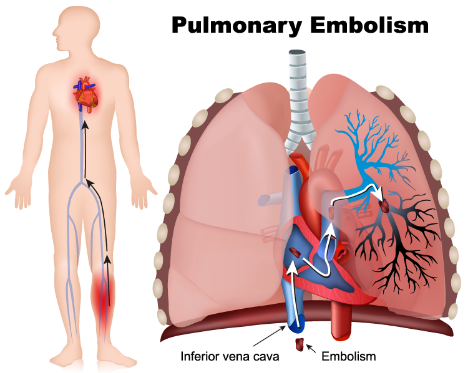
Blood clots are a normal part of healing, but when they form inside a vein without warning or fail to dissolve, they can become life-threatening. Deep Vein Thrombosis (DVT) occurs when a clot forms in a deep vein, most often in the leg, and can block blood flow. If a clot breaks free and travels to the lungs, it can cause a pulmonary embolism, a medical emergency that can be fatal. Grace was a healthy, active young person whose life was tragically cut short by an undiagnosed blood clot, underscoring how suddenly and silently these conditions can strike. Grace’s Legacy Foundation exists to honor Grace by raising awareness, educating communities, and helping prevent other families from experiencing the same devastating loss.

Who Is at Risk?
Blood clots can be caused by a combination of factors, including:
• Genetic clotting disorders (such as Factor V Leiden)
• Long periods of inactivity (travel, bed rest, recovery from injury)
• Surgery or trauma
• Hormonal birth control or hormone therapy
• Dehydration
• Certain illnesses or infections

880

1. Leg Pain

Pain, swelling, warmth, or tenderness in one leg — often mistaken for a muscle strain.

2936

2. Chest Pain

Sudden or sharp chest pain, especially when breathing deeply or coughing.

2147953530

3. Shortness of Breath

Unexplained difficulty breathing, rapid heartbeat, dizziness, or fainting.

For Adults

Adults—especially those who sit for long periods, have flown or recently had surgery, take hormones, or have genetic clotting conditions—may notice the following signs:
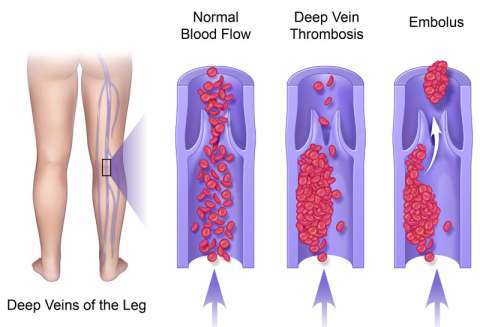
Signs of Deep Vein Thrombosis (DVT)

  • Pain or cramping in the calf or thigh
  • Swelling in one leg (rarely both)
  • Warmth or tenderness in the area
  • Red or discolored skin
  • A tight, heavy, or achy feeling in the leg

Pulmonary Embolism

 Emergency warning signs:

  • Sudden shortness of breath
  • Sharp chest pain, worse with deep breathing
  • Fast heartbeat
  • Coughing (sometimes with blood)
  • Dizziness or fainting

Genetic Risk Factors for Blood Clots (Inherited Thrombophilia)

Some individuals are born with genetic conditions that make their blood more likely to clot. These inherited risk factors may remain undiagnosed until a clot occurs—sometimes suddenly and without warning.

Most Common Genetic Risk Factors

  • Factor V Leiden Mutation
    The most common inherited clotting disorder. It makes blood more resistant to natural clot breakdown, increasing the risk of DVT and PE.
  • Prothrombin Gene Mutation (Factor II, G20210A)
    Causes the body to produce excess prothrombin, a clotting protein, increasing the likelihood of clot formation.

Protein Deficiencies (Natural Anticoagulants)

  • Protein C Deficiency
    Reduces the body’s ability to prevent excessive clotting.
  • Protein S Deficiency
    Often inherited and can significantly increase clot risk, especially when combined with other factors.
  • Antithrombin (AT III) Deficiency
    A rare but high-risk condition that greatly increases the chance of dangerous blood clots.

Less Common or Emerging Genetic Factors

  • Elevated Factor VIII Levels
    Can be inherited and associated with increased clotting tendency.
  • Dysfibrinogenemia
    A rare condition affecting how fibrinogen functions during clot formation.
  • Plasminogen Deficiency
    Impairs the body’s ability to break down clots once they form.

Inherited Hypercoagulable States

  • Combined Genetic Mutations
    Having more than one genetic clotting mutation significantly raises risk.
  • Family History of Blood Clots
    Even without a known mutation, a strong family history suggests inherited risk.

Important Considerations

  • Many people with genetic risk factors never experience symptoms until a triggering event occurs (injury, illness, travel, dehydration, hormones).
  • Genetic risk can affect children, teens, and young healthy individuals.
  • Testing is often recommended after an unexplained clot or when there is a family history.

For Individuals with No Symptoms

Grace’s Story:

Grace had an undiagnosed Factor V Leiden mutation and was asymptomatic. Millions carry similar genetic risks without knowing it. Understanding your family history could save your life.

Up to 50% of people with DVT may have no symptoms at all.

You may be asymptomatic if:

  • The clot is small
  • It’s located deeper in the vein
  • It develops slowly

Even without symptoms, risk increases with:

  • Genetics (e.g., Factor V Leiden)
  • Long travel or immobility
  • Hormone therapy or birth control
  • Pregnancy
  • Recent injury or surgery
  • Smoking
  • Chronic medical conditions

Resources for Families, Teens, and Clinicians

Educational Guides

Symptoms, risk factors, and genetic testing

Screening & Early Detection

How to know if testing is needed

Support
Networks

Family support groups, peer mentorship

Scientific
Research

Funding initiatives, clinical studies, and publications