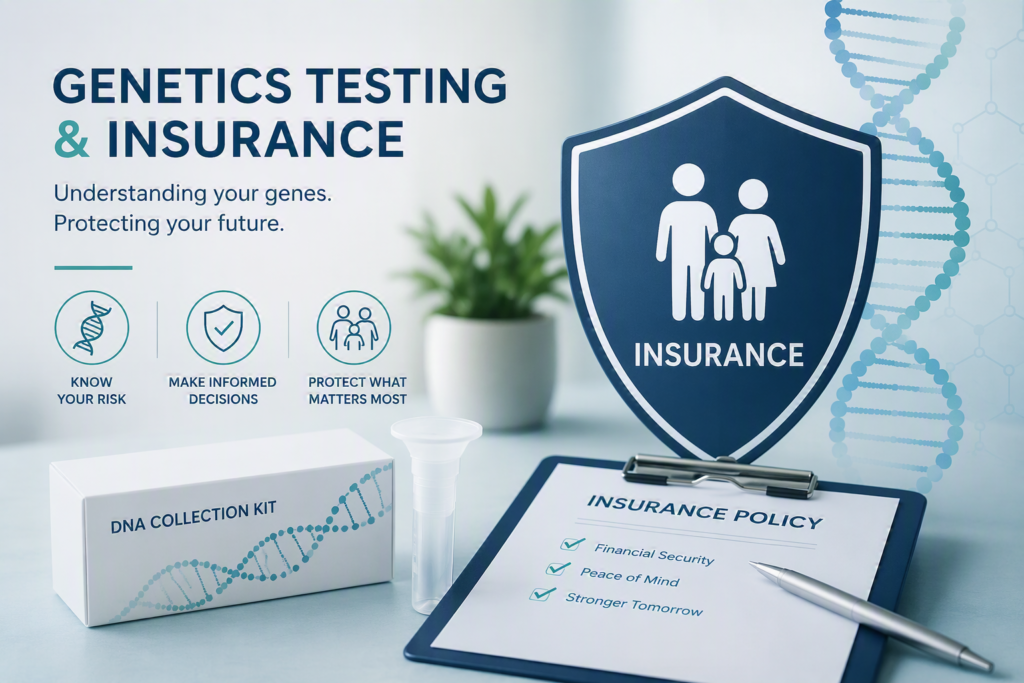
One of the most common questions people ask when considering genetic testing is, “Will my insurance cover it?” The answer is: it depends.
Insurance coverage for genetic testing varies based on your health plan, the type of test being ordered, and the medical reason for testing. Understanding what your policy covers can help you make informed decisions about your health and potentially reduce out-of-pocket costs.
When Is Genetic Testing More Likely to Be Covered?
Many insurance companies provide coverage for genetic testing when it is considered medically necessary. This often includes situations such as:
- A personal history of blood clots, including deep vein thrombosis (DVT) or pulmonary embolism (PE)
- A strong family history of blood clots or inherited clotting disorders
- Recurrent or unexplained blood clots
- Blood clots occurring at a young age
- Testing recommended by a physician based on symptoms or clinical findings
In these situations, your healthcare provider may need to document why the test is medically necessary before your insurance company approves coverage.
What About Preventive Testing?
Coverage for preventive or screening genetic tests is less consistent. If you have no symptoms or history of blood clots but want to understand whether you carry an inherited clotting condition such as Factor V Leiden or the Prothrombin Gene Mutation, your insurance may or may not pay for testing.
Fortunately, genetic testing has become much more affordable in recent years. Many laboratories now offer self-pay options that can be significantly less expensive than they were just a few years ago, making testing more accessible even when insurance does not provide coverage.
Questions to Ask Before Testing
Before scheduling a genetic test, consider asking:
- Does my insurance require prior authorization?
- Is the laboratory in my insurance network?
- What will my out-of-pocket costs be?
- Are there lower-cost self-pay options?
- Would genetic counseling be helpful before or after testing?
A quick phone call to your insurance provider or your healthcare provider’s office can often answer these questions and help you avoid unexpected expenses.
Knowledge Is Power
For some families, genetic testing provides answers after an unexpected medical event. For others, it offers valuable information that can help guide future healthcare decisions and inform family members who may also be at risk.
At Grace’s Legacy Foundation, we believe education is the first step toward prevention. While insurance coverage can vary, understanding your options empowers you to have informed conversations with your healthcare provider about whether genetic testing is right for you.
Knowing your genetic risk may not predict whether you’ll develop a blood clot—but it can provide important information that helps you and your healthcare team make more informed decisions about prevention, monitoring, and care.