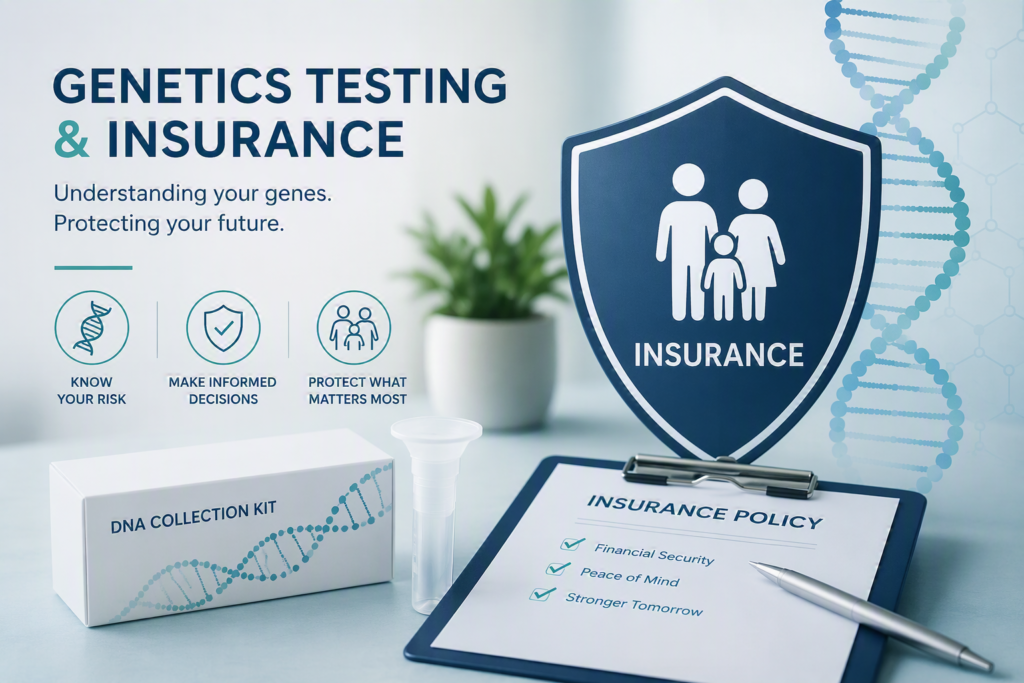
Genetic testing is becoming an increasingly important tool for understanding personal health risks, family history, and inherited conditions. Advances in technology have made testing more accessible than ever, allowing individuals and families to learn more about genetic factors that may influence their health.
However, many people still have questions: What genetic tests are available? What can they tell me? And will my insurance cover the cost?
What Types of Genetic Tests Are Available?
Genetic testing can evaluate many different areas of health. Some common types include:
Carrier Screening:
Carrier testing identifies whether a person carries genetic changes that could be passed on to their children. It is often performed before or during pregnancy to help prospective parents understand the risk of certain inherited conditions.
Prenatal Genetic Screening:
Prenatal tests, including Non-Invasive Prenatal Testing (NIPT), screen for certain chromosomal conditions during pregnancy. These tests can provide valuable information but do not evaluate every possible genetic condition.
Diagnostic Genetic Testing:
This type of testing is used when a healthcare provider suspects a specific genetic condition based on symptoms, medical history, or family history.
Inherited Disease and Risk Testing:
These tests look for genetic changes associated with increased risk for certain conditions, including inherited clotting disorders such as Factor V Leiden and the Prothrombin Gene Mutation, which may increase the risk of developing dangerous blood clots.
Are Genetic Tests Covered by Insurance?
Insurance coverage for genetic testing varies widely depending on the type of test, your insurance plan, and why the test is being ordered.
Genetic testing is more likely to be covered when it is considered medically necessary, such as when someone has:
- A personal history of blood clots
- A strong family history of clotting disorders
- Recurrent or unexplained blood clots
- A blood clot at a young age
- A healthcare provider recommendation based on medical concerns
Coverage is often more limited for individuals who want genetic testing for preventive awareness without symptoms or a known family history.
Understanding Your Options
Before testing, consider asking:
- Does my insurance require prior authorization?
- Is the testing laboratory covered by my plan?
- What will my out-of-pocket cost be?
- Are self-pay options available?
- Would genetic counseling help me understand my results?
Knowledge Creates Opportunity
At Grace’s Legacy Foundation, we believe families deserve access to information that can help them make informed healthcare decisions. Grace appeared healthy and had no known risk factors before she unexpectedly passed away from a pulmonary embolism. Genetic testing later revealed an inherited clotting disorder that had gone undetected.
The goal of genetic testing is not to create fear—it is to create awareness. Understanding your genetic risks can help you have informed conversations with healthcare providers, recognize potential risks, and make decisions that may protect your health and your family’s future.
Knowing your risk is the first step toward prevention.