Prenatal genetic screening has transformed pregnancy care by helping expectant parents better understand their baby’s health before birth. These tests provide important information about the risk of certain chromosomal conditions and can help families make informed decisions throughout pregnancy.
However, many parents are surprised to learn that routine prenatal genetic screening is limited in scope. While these tests are highly valuable, they are not designed to detect every inherited genetic condition or mutation that could impact a person’s lifelong health.
What Do Prenatal Screening Tests Cover?
The most common prenatal screening tests, including Non-Invasive Prenatal Testing (NIPT), primarily assess the risk for chromosomal conditions such as Down syndrome (Trisomy 21), Trisomy 18, Trisomy 13, and certain sex chromosome differences.
Some families also choose expanded carrier screening, which evaluates whether parents carry genes associated with specific inherited disorders. However, the conditions included vary by laboratory and testing panel.
What’s Missing?
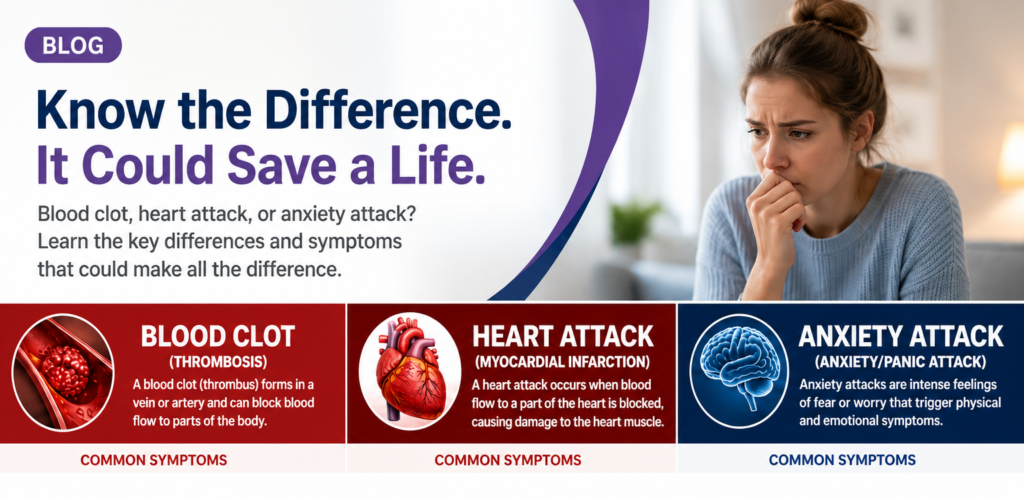
Many inherited genetic conditions are not included in routine prenatal screening. This includes several inherited thrombophilias—genetic mutations that increase the risk of developing dangerous blood clots—such as Factor V Leiden and the Prothrombin Gene Mutation.
These mutations can remain undetected for years because many individuals experience no symptoms until a life-threatening event, such as a deep vein thrombosis (DVT) or pulmonary embolism (PE), occurs. In many cases, testing is only recommended after a blood clot has already happened or when there is a known family history.
For families with no recognized risk factors, these mutations often go undiscovered.
A Vision for Earlier Awareness
Grace’s Legacy Foundation is working to change that through the proposed Grace Seeley Blood Clot Prevention Act.
The Act seeks to expand education about inherited clotting disorders and improve access to voluntary genetic testing and counseling for pregnant women and individuals who want to better understand whether they carry genetic mutations associated with an increased risk of dangerous blood clots. Rather than waiting until after a medical emergency, the goal is to give families the opportunity to learn about potential inherited risks earlier so they can have informed conversations with their healthcare providers.
The proposed legislation also emphasizes public education so that expectant parents understand both the benefits and the limitations of current prenatal genetic screening, empowering them to make decisions based on their personal and family medical history.
Knowledge Can Save Lives
Grace appeared to be a healthy, active teenager with no known risk factors. After her unexpected passing from a pulmonary embolism, genetic testing revealed that she carried an inherited clotting disorder that had gone undetected.
Her story highlights an important reality: many families are unaware that inherited clotting disorders exist until tragedy strikes.
The Grace Seeley Blood Clot Prevention Act is founded on a simple principle—that families deserve access to information. By expanding education, encouraging conversations about inherited clotting disorders, and improving access to voluntary genetic testing for those who choose it, we can help individuals better understand their genetic predisposition and make informed healthcare decisions alongside their medical providers.
Awareness alone cannot prevent every blood clot. But earlier knowledge has the potential to save lives, protect families, and ensure that fewer people face the devastating consequences of an undiagnosed inherited clotting disorder.
Limited Prenatal Genetic Screening: Understanding What Your Test Does—and Doesn’t—Look For
Prenatal genetic screening has transformed pregnancy care by helping expectant parents learn more about their baby’s health before birth. These tests can identify the risk of certain chromosomal conditions and provide valuable information that helps families and healthcare providers prepare for the future.
However, many parents are surprised to learn that prenatal genetic screening is not comprehensive. While these tests are incredibly valuable, they do not screen for every inherited condition or genetic mutation that could affect a child’s health.
What Does Prenatal Genetic Screening Typically Include?
The most common prenatal screening tests, including Non-Invasive Prenatal Testing (NIPT), primarily evaluate the risk of chromosome conditions such as:
- Down syndrome (Trisomy 21)
- Trisomy 18
- Trisomy 13
- Certain sex chromosome differences
Some screening panels also include a limited number of additional genetic conditions, while carrier screening may identify whether parents carry genes associated with specific inherited disorders. The exact conditions tested vary depending on the laboratory and the panel selected.
What Isn’t Typically Included?
Many inherited conditions are not part of routine prenatal screening. This can include inherited thrombophilias—genetic changes that may increase the risk of abnormal blood clotting—such as Factor V Leiden and the Prothrombin Gene Mutation. These tests are generally ordered only when there is a medical indication, such as a personal or family history of blood clots, recurrent pregnancy loss, or other clinical concerns.
As a result, families without a known history may believe their prenatal testing ruled out all significant genetic risks, when in reality, many conditions were never evaluated.
Why This Matters
Understanding the scope and limitations of prenatal genetic screening allows parents to have informed conversations with their healthcare providers. If your family has a history of blood clots, inherited clotting disorders, or unexplained medical events, you may want to ask whether additional testing or genetic counseling is appropriate.
It’s also important to remember that no single test can detect every genetic condition. Each test is designed to answer specific questions, and selecting the right testing strategy depends on individual and family circumstances.
Informed Decisions Begin with Education
At Grace’s Legacy Foundation, we believe that education empowers families to make informed healthcare decisions. Every pregnancy and every family history is unique. Knowing what your prenatal screening includes—and what it does not—can help you ask informed questions, better understand your options, and advocate for your family’s health.
Prenatal genetic screening is an important step in prenatal care, but it is only one piece of the larger picture. Understanding its limitations can help ensure that families receive the information, counseling, and support they need to make decisions that are right for them.