
Blood clots are serious, but they are also treatable—and in many cases, preventable. Prevention begins with awareness of risk and proactive care. This may include staying hydrated, avoiding prolonged immobility, wearing compression stockings when appropriate, and following medical guidance during periods of higher risk, such as illness, travel, or recovery from surgery.
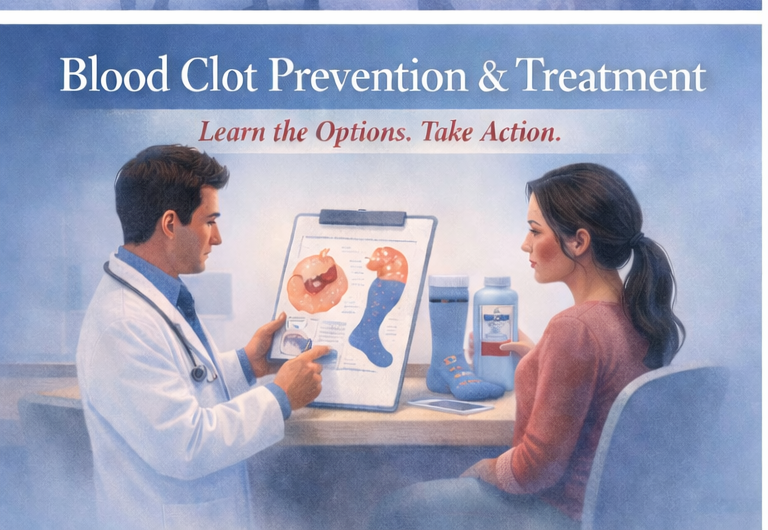
When a blood clot is suspected, time is critical. Diagnostic tools may include blood tests, ultrasounds, CT scans, or other imaging. If a clot is confirmed, treatment usually involves anticoagulant medications, commonly referred to as blood thinners. These medications do not dissolve existing clots immediately, but they prevent clots from growing and reduce the risk of new ones forming while the body gradually breaks them down.
In more severe cases, stronger medications or procedures may be needed to remove or dissolve clots quickly. Follow-up care is essential, as some individuals may need longer-term monitoring or treatment depending on underlying risk factors.
The most dangerous blood clot is the one that goes undetected. Knowing when to seek care, asking about clot risk, and advocating for proper evaluation can be lifesaving. Blood clots should never be ignored—and they should never be normalized.