
When a Blood Clot Is Mistaken for a Heart Attack or Anxiety
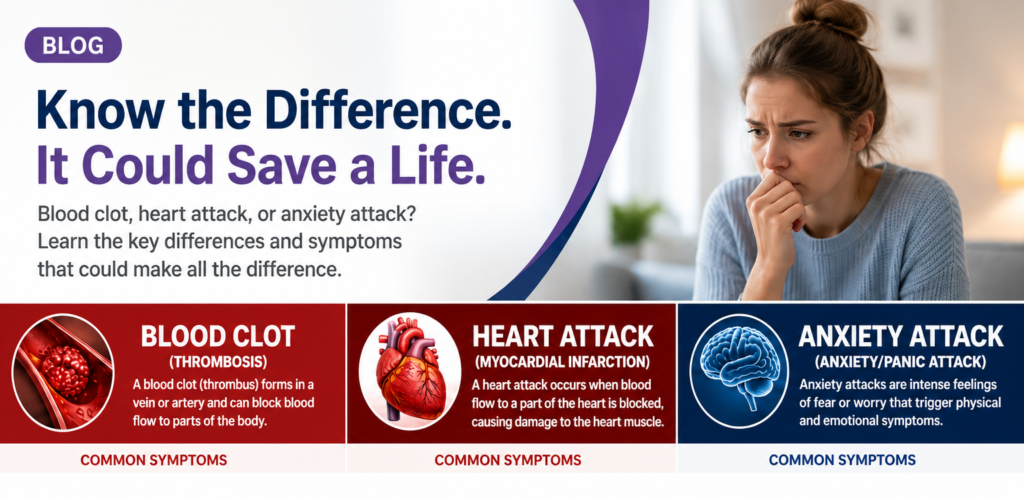
Chest pain. Shortness of breath. A racing heart. These symptoms are commonly associated with a heart attack or a panic attack—but they can also be signs of a pulmonary embolism (PE), a life-threatening blood clot in the lungs. Unfortunately, pulmonary embolisms are sometimes misdiagnosed, delaying the treatment that can save a life. A pulmonary embolism […]
What Genetic Tests Are Available—and Are They Covered by Insurance?
Genetic testing is becoming an increasingly important tool for understanding personal health risks, family history, and inherited conditions. Advances in technology have made testing more accessible than ever, allowing individuals and families to learn more about genetic factors that may influence their health. However, many people still have questions: What genetic tests are available? What […]
Limited Prenatal Genetic Screening: Why Understanding Your Genetic Risk Matters

Prenatal genetic screening has transformed pregnancy care by helping expectant parents better understand their baby’s health before birth. These tests provide important information about the risk of certain chromosomal conditions and can help families make informed decisions throughout pregnancy. However, many parents are surprised to learn that routine prenatal genetic screening is limited in scope. […]
Factor V Leiden: Know the Hidden Risks

What if you carried a genetic mutation that increased your risk of a life-threatening blood clot—but you didn’t know it? For many people, that is the reality of living with Factor V Leiden, the most common inherited clotting disorder. Many individuals have no symptoms and may never know they carry this genetic mutation until a […]
Does Your Insurance Cover Genetic Testing?

One of the most common questions people ask when considering genetic testing is, “Will my insurance cover it?” The answer is: it depends. Insurance coverage for genetic testing varies based on your health plan, the type of test being ordered, and the medical reason for testing. Understanding what your policy covers can help you make […]
Why Movement Matters: The Powerful Role of Circulation in Blood Clot Prevention
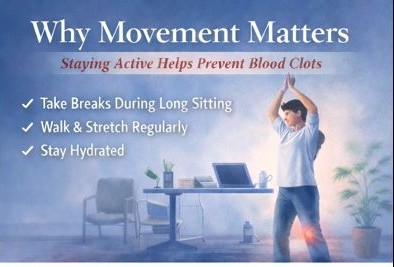
Movement is one of the simplest and most effective tools we have to reduce the risk of blood clots—and yet it is often overlooked. When the body remains still for long periods, blood flow slows, especially in the legs. Slow or stagnant blood is more likely to clot. Long school days, desk jobs, screen time, […]
Listening to Your Body: How Mindfulness Can Keep You Healthy

Our bodies are constantly sending us signals—subtle nudges, gentle warnings, or sometimes urgent alarms that something isn’t right. Yet in our busy lives, it’s easy to ignore these messages. We rush through our days, focused on tasks, screens, and responsibilities, often disconnected from the very body that carries us through life. Practices like mindfulness, meditation, […]
Grieving the Loss of a Child: When Love Becomes a Legacy
There are no words that fully capture the pain of losing a child. It is a loss that defies logic, order, and fairness. Grief does not move in stages, and it does not fade with time—it changes, evolves, and becomes something parents must learn to carry. After the loss of a child, the world often […]
Blood Clot Prevention and Treatment: What Everyone Should Know
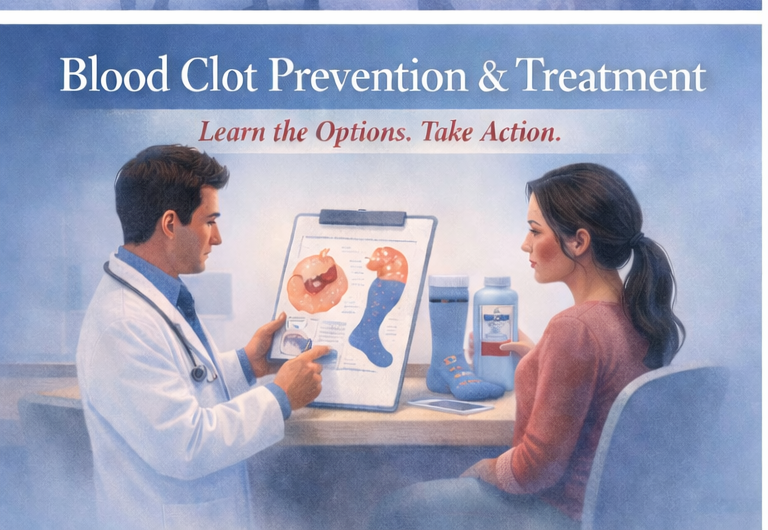
Blood clots are serious, but they are also treatable—and in many cases, preventable. Prevention begins with awareness of risk and proactive care. This may include staying hydrated, avoiding prolonged immobility, wearing compression stockings when appropriate, and following medical guidance during periods of higher risk, such as illness, travel, or recovery from surgery. When a blood […]
Blood Clots Don’t Discriminate: Understanding Risk Factors and Warning Signs
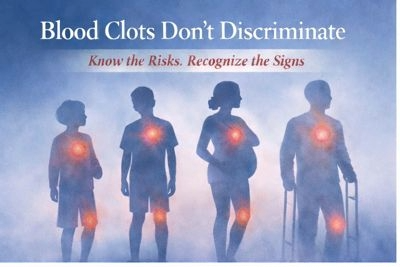
Many people believe blood clots are rare or only happen to certain “high-risk” individuals. The reality is far different. Blood clots do not discriminate by age, fitness level, or appearance of health. They affect children, athletes, new parents, students, travelers, and people who have never been seriously ill a day in their lives. Blood clots […]