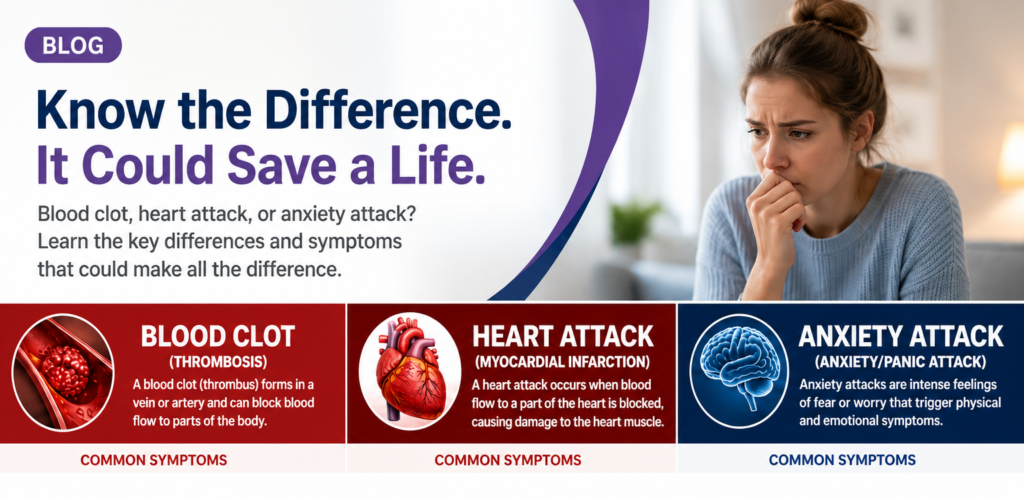
What if you carried a genetic mutation that increased your risk of a life-threatening blood clot—but you didn’t know it?
For many people, that is the reality of living with Factor V Leiden, the most common inherited clotting disorder. Many individuals have no symptoms and may never know they carry this genetic mutation until a serious event, such as a deep vein thrombosis (DVT) or pulmonary embolism (PE), occurs.
What Is Factor V Leiden?
Factor V Leiden is a genetic mutation that affects the body’s natural blood-clotting process. While clotting is essential to prevent excessive bleeding, this mutation can make the blood more likely to form abnormal clots.
Having Factor V Leiden does not mean someone will develop a blood clot, but it can increase risk—especially when combined with other factors such as pregnancy, surgery, prolonged inactivity, hormonal medications, smoking, or a family history of clotting disorders.
Why Is It Often Undetected?
One of the greatest challenges with Factor V Leiden is that it often has no warning signs. Many people discover they have the mutation only after experiencing a blood clot or learning about a family member’s diagnosis.
This is why awareness, understanding family history, and having informed conversations with healthcare providers are so important.
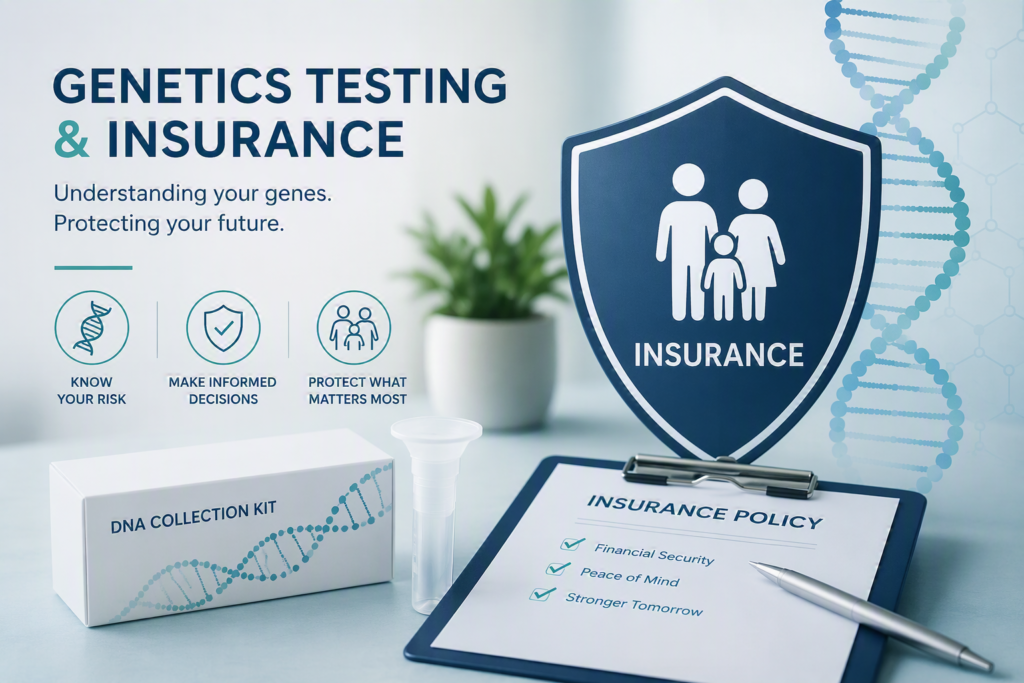
Should You Consider Genetic Testing?
Genetic testing may be considered for individuals with a personal or family history of blood clots, unexplained clots, or clots occurring at a young age. Some individuals may also want to better understand their genetic risk before pregnancy or other situations that may increase clotting risk.
Testing decisions should be made with guidance from a healthcare provider or genetic counselor who can help explain the benefits and limitations.
Knowledge Can Save Lives
At Grace’s Legacy Foundation, we know the devastating impact of an undiagnosed inherited clotting disorder. After Grace unexpectedly passed away from a pulmonary embolism, genetic testing revealed she carried Factor V Leiden—something our family never knew.
Knowing your genetic risk does not mean a blood clot will happen. But having that information can help individuals and families make informed healthcare decisions, recognize warning signs, and take proactive steps when risk may be increased.
Awareness saves lives. Understanding your genetic risk can be the first step toward prevention.