
Many people believe blood clots are rare or only happen to certain “high-risk” individuals. The reality is far different. Blood clots do not discriminate by age, fitness level, or appearance of health. They affect children, athletes, new parents, students, travelers, and people who have never been seriously ill a day in their lives.
Blood clots most commonly begin as deep vein thrombosis (DVT), forming in the deep veins of the legs or pelvis. Symptoms may include leg pain, swelling, warmth, redness, or tenderness—often in just one leg. But sometimes there are no clear symptoms at all. When a clot breaks free and travels to the lungs, it becomes a pulmonary embolism, which can be fatal.
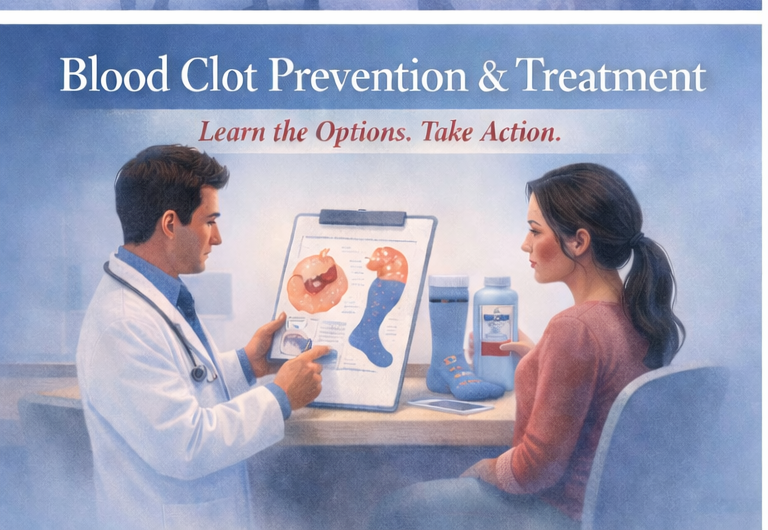
Risk factors for blood clots include genetic clotting conditions, prolonged sitting or immobility, dehydration, infection or inflammation, surgery, trauma, pregnancy, hormonal medications, obesity, and certain chronic conditions. However, many people who develop clots have no known risk factors. This is one of the reasons blood clots are so dangerous—they often occur where least expected.
Warning signs are frequently dismissed. Leg pain is attributed to sports or growing pains. Shortness of breath is blamed on anxiety. Chest discomfort is brushed off as indigestion. Fatigue is assumed to be stress. Awareness means recognizing that these symptoms—especially when new, sudden, or unexplained—deserve attention.
Education saves lives. Understanding that blood clots can happen to anyone is the first step in prevention and early intervention.